
I built a cultural enterprise from zero — and kept it standing for fifteen years, through two cities and a pandemic.
From a blank canvas in Downtown DC to a Brooklyn presence with national press coverage, Art Basel partnerships, and a COVID-era physical footprint that survived — this is a real-world operating model build under reputational and financial pressure.
Visit the gallery →
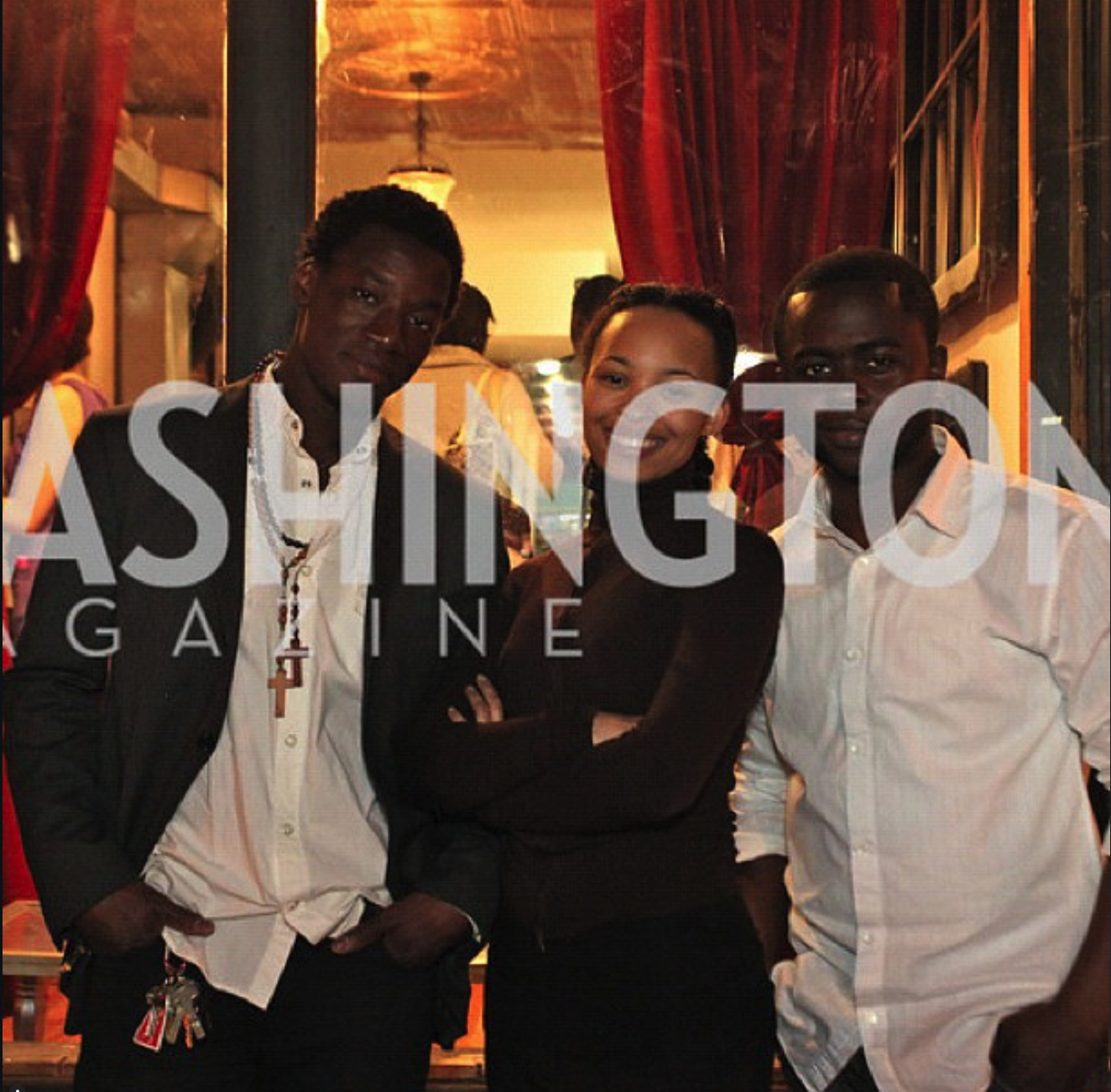
Downtown DC launch — establishing a permanent, public-facing cultural presence from inception. Opened as Cre8Space; later renamed Lamont Bishop in honor of the founder's mentor.
This is what service design looks like when real money, real stakeholders, and public reputation are on the line.
Anyone can design a service in a workshop. Fewer people have built one from nothing, operated it across two markets with distinct constraints, sustained a physical location through a global pandemic, and kept the experience quality intact throughout.
The gallery required the same disciplines as any enterprise operating model build: defining value exchanges, designing end-to-end delivery, building the backstage structure that makes the frontstage feel effortless, and making fast, aligned decisions under pressure without losing brand integrity.
The model has never been sold or shuttered. That's the metric.
Credibility is operational. In high-trust markets, legitimacy must be designed and governed — not assumed.
An operating system for a high-variability cultural business — designed to hold under pressure.
Welcoming, accessible experiences for first-time collectors
Designed clear entry points for younger and first-time collectors — reducing the intimidation that keeps most people from engaging with contemporary art. Exhibitions were built to translate meaning, not just display objects. The goal was to turn curiosity into trust, and trust into repeat engagement.
Repeatable production system across exhibitions, events, and programs
Built planning, production, and coordination runbooks for every exhibition cycle — timelines, partner communication rhythms, day-of checklists, post-event documentation. This is the infrastructure that makes quality consistent regardless of which specific event or person is running point.
Narrative and partnership structures that function as trust signals
Built the media relationships, collaboration frameworks, and public story infrastructure that positioned the gallery for high-stakes partnerships — Art Basel, the NBA's Miami Heat, national press coverage. These aren't marketing wins. They're operational outcomes of a credibility system designed to attract serious partners.
Physical footprint maintained through COVID — through operating model clarity
When the pandemic closed galleries across the country, the Bishop Gallery stayed open. Not by luck — by operating model decisions: cost discipline, service adaptation, clear governance rules about what we would and wouldn't compromise. Experience quality didn't break. The physical footprint didn't collapse.
DC to Brooklyn — with distinct operating constraints in each market
Scaling from Downtown DC to Brooklyn required designing for two distinct market contexts: different collector demographics, different partnership landscapes, different cost structures. The operating model adapted without losing brand coherence — which is the test of whether a model is actually designed or just improvised.
Fifteen years of delivery — in public, under pressure, with real stakes.
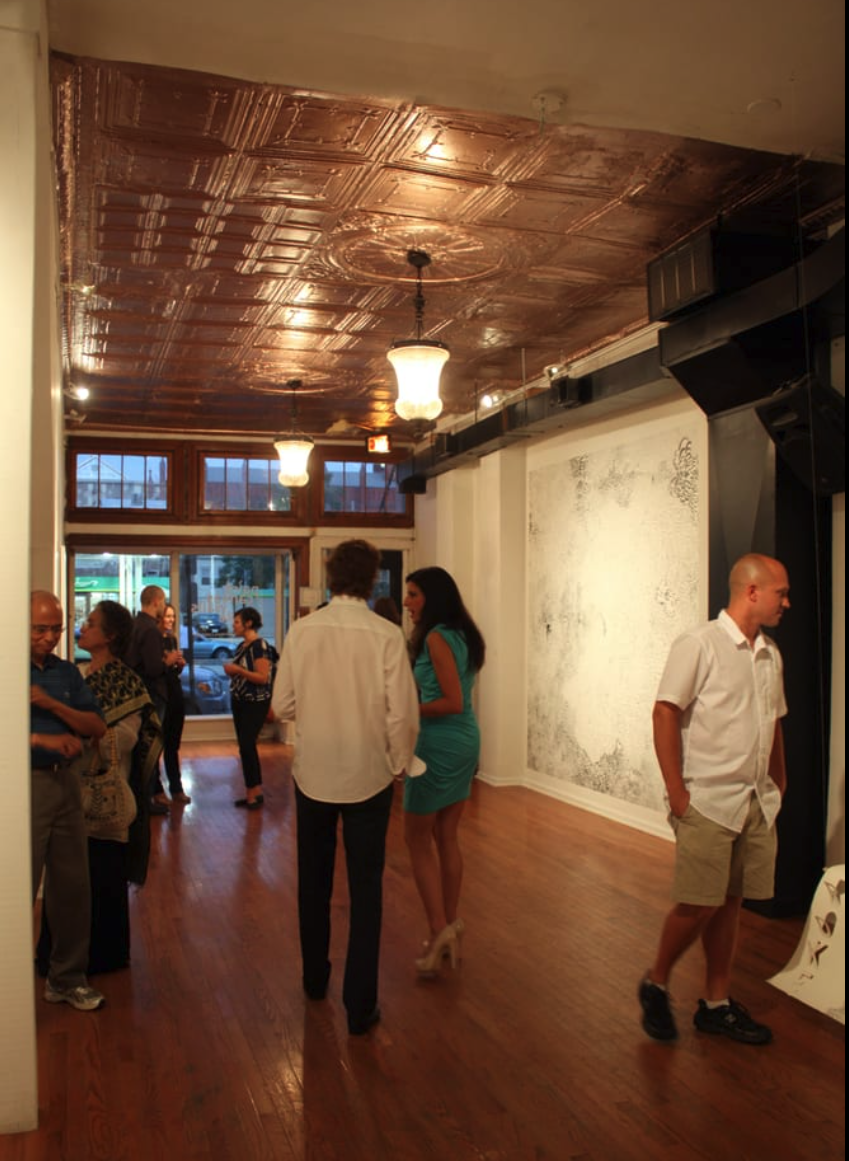
Early service delivery — Curated flow, accessibility, and engagement designed into the experience from day one.
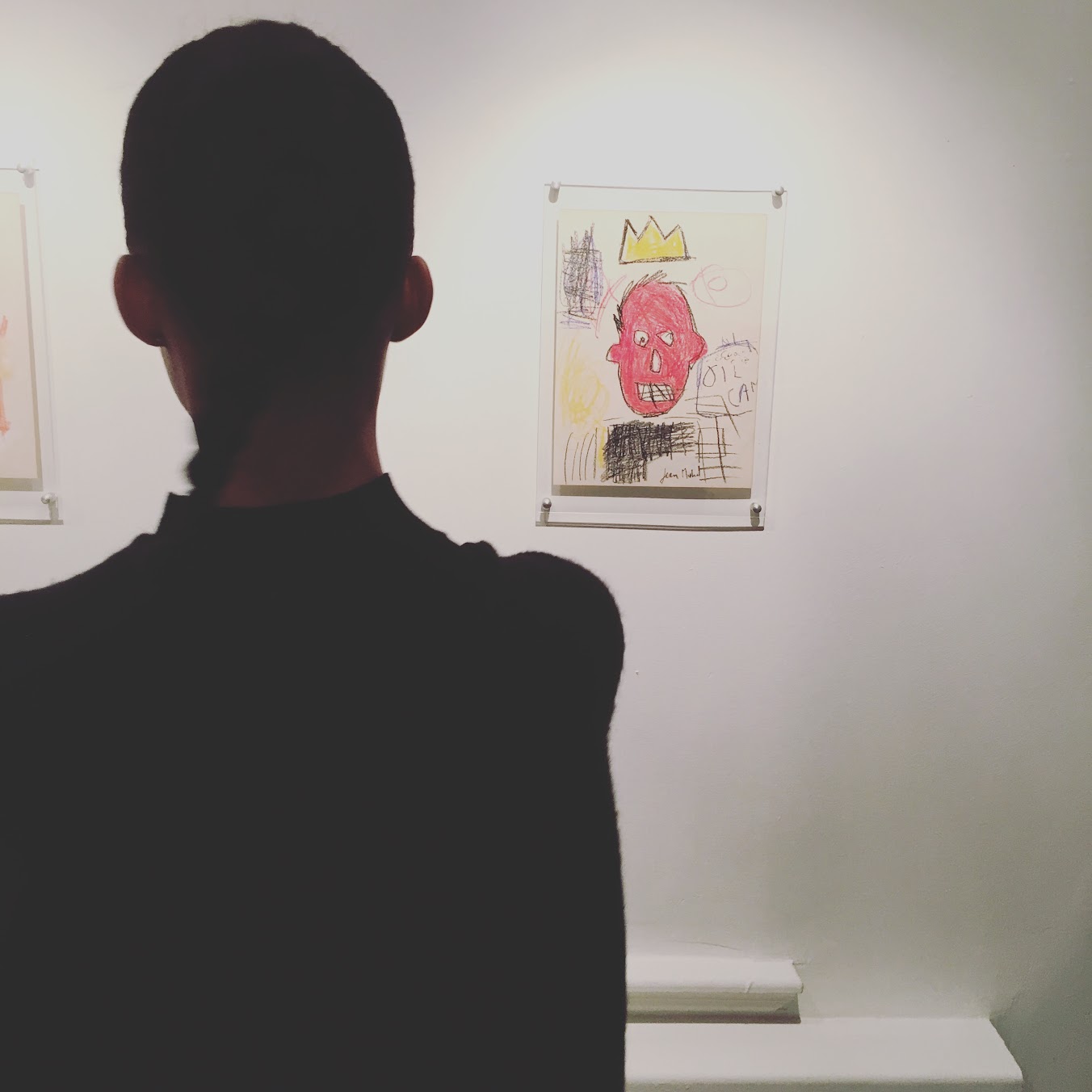
Never before seen Jean-Michel Basquiat collection — 'Neptune's Place,' curated by artist-in-residence Albert Diaz.

Experience design for access — Making culture legible and welcoming, not intimidating.

Art Basel — Global participation in partnership with the NBA's Miami Heat.
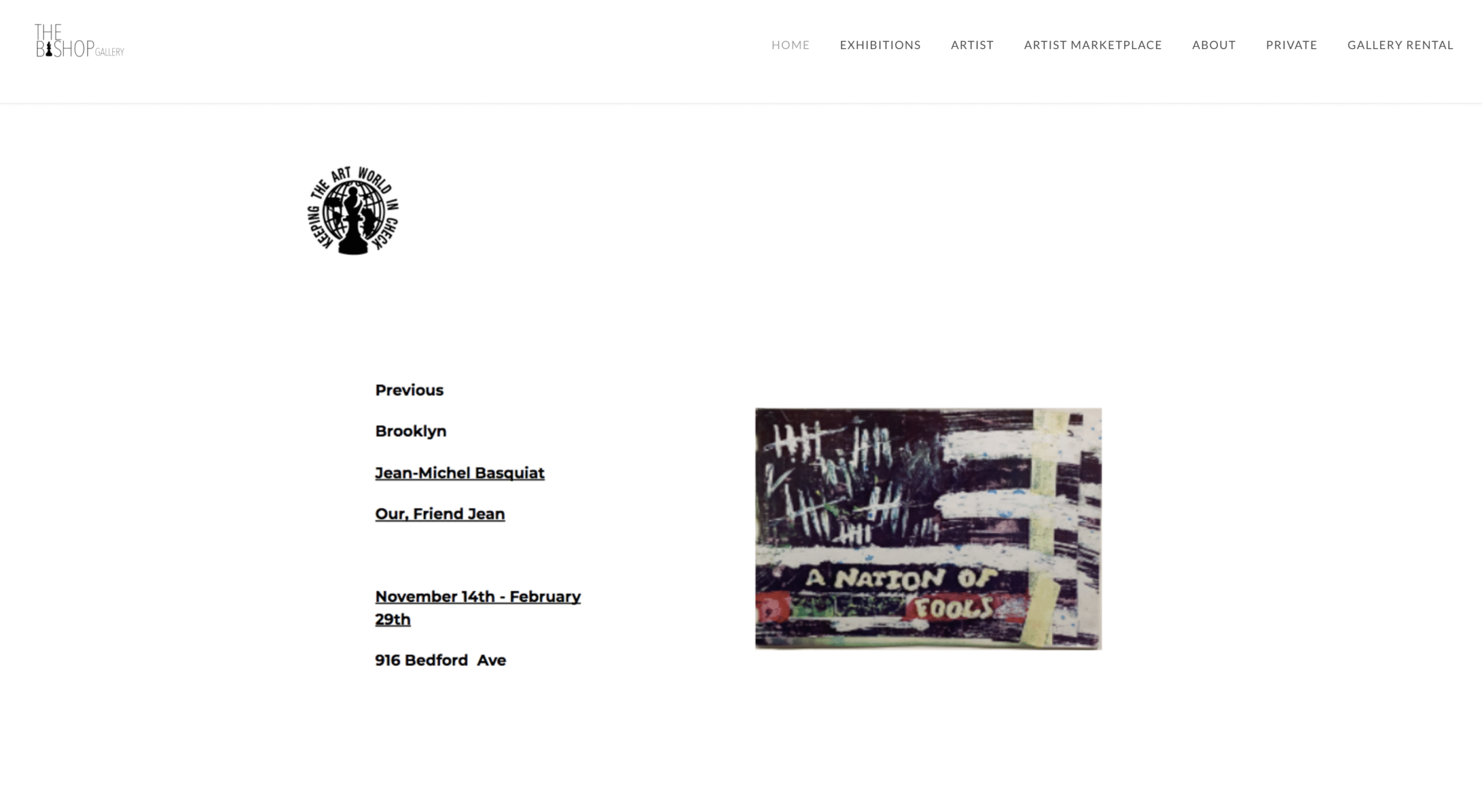
Continued Basquiat programming — National press coverage across Yahoo Finance, Hypebeast, and Miami New Times.
Scroll to browse →
Independent coverage reflecting market credibility, cultural relevance, and program reach.
A model that has outlasted most galleries that launched in the same era — including through a global pandemic that shuttered comparable spaces.
Expanded from DC to Brooklyn with the same operating model adapted — not rebuilt — for distinct market contexts and constraints.
Built the partnership and media infrastructure that put a founder-led gallery in the same coverage as established institutions.
This case is a practical proof point for executive audiences: service design isn't artifacts. It's building the conditions for consistent delivery, credibility, and resilience — when real money, real stakeholders, and public reputation are on the line. Its continued existence is the outcome metric.
How I Work →