CARA A. BROWN, MBA • DESIGN STRATEGIST + SERVICE DESIGNER
CARA A. BROWN, MBA • DESIGN STRATEGIST + SERVICE DESIGNER
A full brand and experience reset for a nonprofit with 40+ years of impact but no unified way to show it — delivered as a coherent system across identity, messaging, digital pathways, program branding, and stakeholder experience. The architecture enabled a $32M donation, award-winning campaigns, a CEO TEDTalk, and a decade of compounding partnership outcomes.
Star power as signal: High-profile partnerships come to organizations that present with credibility. The brand system made that credibility visible.
Without cohesion, even legitimate impact creates uncertainty.
Hover to read moreThe work was serious. The outcomes were real. But the front door didn't reflect any of it. Stakeholders — funders, partners, community members, families — experienced fragmented signals: inconsistent brand, unclear program pathways, messaging that varied by channel and by who happened to be writing it that week.
Funders couldn't quickly verify what they needed to verify. Partners couldn't orient. The organization was spending energy on work that couldn't communicate itself.
What was needed wasn't a rebrand — it was a coherent system: one that made the mission legible, the programs navigable, the leadership credible, and the credibility visible at every touchpoint simultaneously.
Defined visual standards, naming conventions, and expression guidelines so that any touchpoint — a flyer, a webpage, a funder presentation — felt like it came from the same organization. Extended the system across individual program brands, giving each initiative a distinct identity while preserving organizational coherence.
Mapped and rewrote core messaging so that the mission, programs, and impact points were clear, consistent, and appropriately pitched to each audience — funders, community members, partners, and internal staff — without requiring a separate version of the truth for each.
Redesigned the information architecture so that each audience had a clear, low-friction pathway to what they needed. Executive funders could verify credibility in seconds. Community members could find programs without guessing. Partners could understand the value proposition before the first call.
Designed engagement platforms and sponsor narratives that gave corporate partners a meaningful role in the organization's story — not just a logo on a banner. This is how the organization sustained relationships with national brands year over year.
A system only works if the people running it can maintain it. I designed the architecture for operational reality: simple enough for a lean internal team to update, structured enough that updates don't break consistency.









Moving into a new building was the centerpiece of the New Era — but a building is only as powerful as the moment you introduce it.
Hover to read moreI designed the opening event as a full brand activation: curating the guest list, shaping the experience arc, staging the space to communicate organizational values, and ensuring high-profile attendees had a reason to share the moment.
The event wasn't a ribbon cutting. It was proof — to funders, partners, and the community — that the organization had arrived at a new level. The presence of figures like Mark Curry wasn't coincidental. It was the result of credibility infrastructure built to attract exactly that kind of visibility.
As part of the new building's activation, I conceived and curated an art gallery in the facility — a physical expression of the brand's commitment to youth creativity and community culture.
Hover to read moreThe gallery was not décor. It was a deliberate signal: this organization invests in the full human potential of the young people it serves.
For funders and partners touring the space, the gallery shifted the frame from "youth services nonprofit" to "community cultural institution" — a distinction that changes the level and nature of investment people are willing to make.
A rebrand only works at scale if it extends to every program. I developed a brand architecture that gave individual initiatives distinct visual voices while preserving the coherence of the parent organization.


Pathway to College — From a generic mark to a program identity with presence and intention.

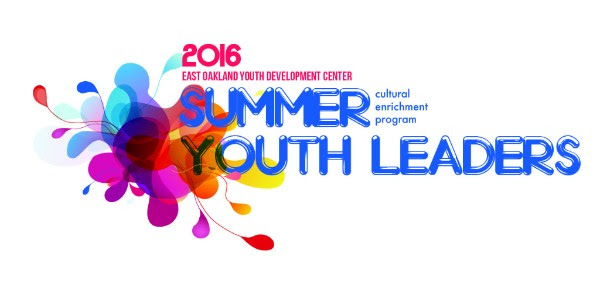
Summer Cultural Enrichment Program — A program with decades of history, finally with an identity to match.

Education Empowerment — Built from nothing. A new program launched with a complete brand identity from day one.
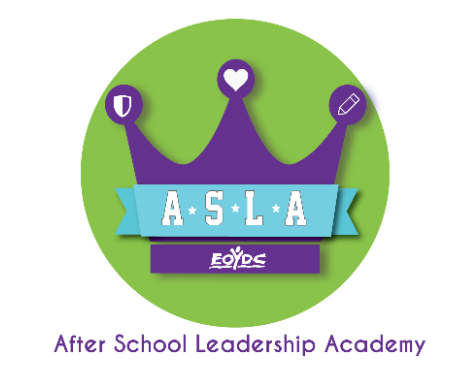
After School Leadership Academy — A new leadership program launched with a complete brand identity from day one.
When EOYDC launched a new healthy eating and living initiative, I led the naming, visual identity, messaging, and participant experience design — ensuring it entered the world as a fully formed program, not an afterthought.
Hover to read moreThis is one of the overlooked benefits of a mature brand architecture: new programs don't start from scratch. They inherit a system. Staff could build collateral, communicate with families, and present to funders from day one — without improvising each piece.
Impact was being communicated anecdotally. Stories were powerful. Data existed. But there was no structured framework connecting program activities to outcomes, and outcomes to funder-legible language.
Hover to read moreI developed an impact model that gave the organization a consistent vocabulary: what it does, how it works, what it produces, and why it matters. This became the backbone for grant writing, partner decks, messaging, and public communications — the connective tissue between program delivery and organizational credibility.
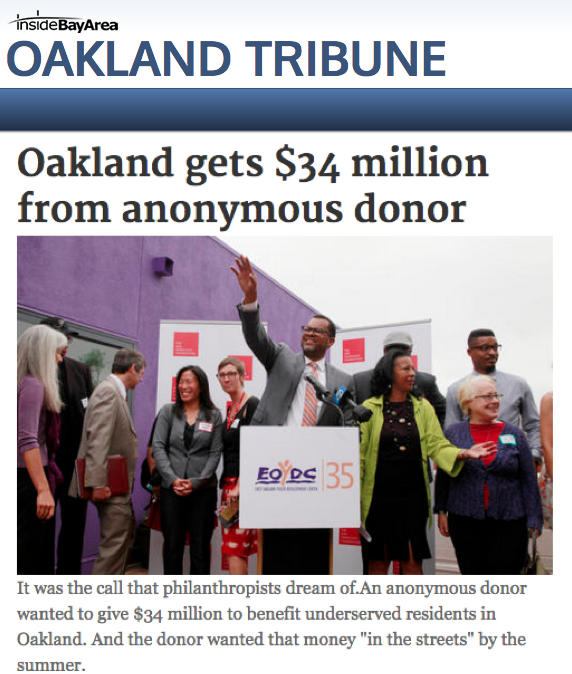
$32M donation: A gift of this scale requires an organization that presents as a serious institutional partner. The elevated brand and engagement architecture built during the New Era made that presentation possible.
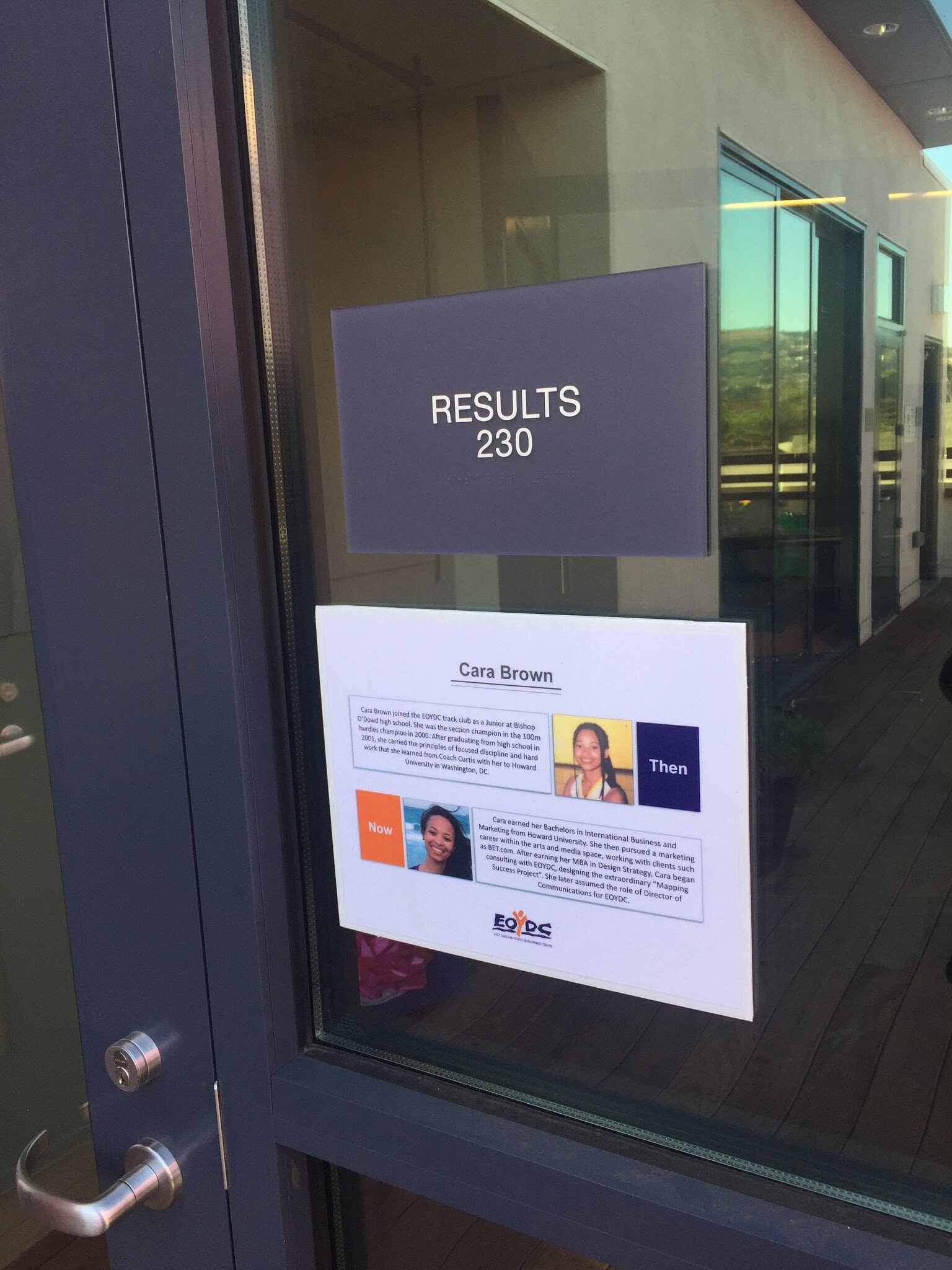
Proof of impact: The CEO named my office the Results Room. This is what happens when the work is visible and the service architecture endures.
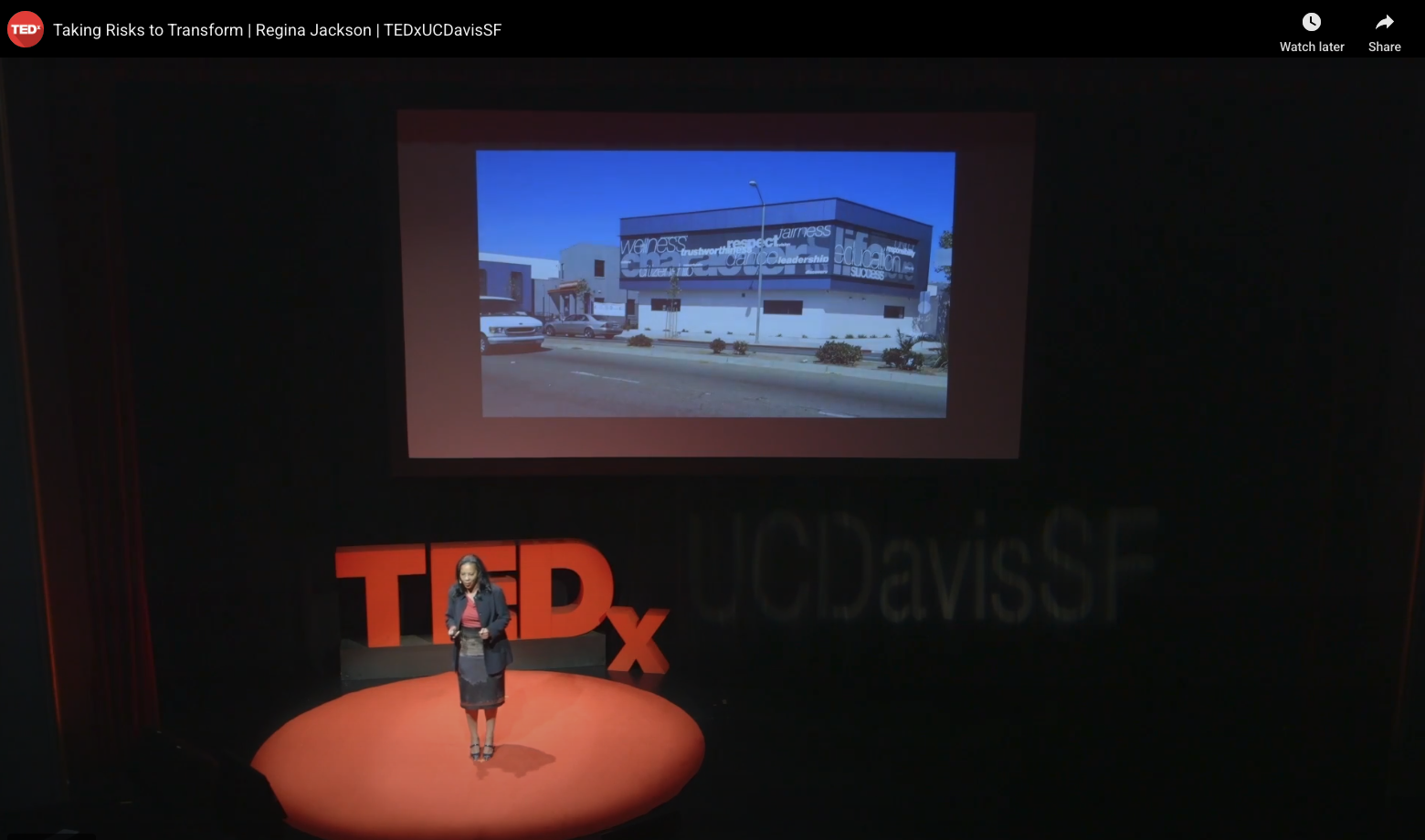
Getting the CEO a TEDTalk wasn't a standalone project — it was proof that the service architecture reached all the way to organizational leadership. I built a comprehensive brag book synthesizing the organization's impact in funder- and audience-legible form, supported the application process, and helped frame and craft the message for the presentation itself.
The same skills that made the organization's front door legible made its leader credible on a national stage. That's what a system does — it scales.
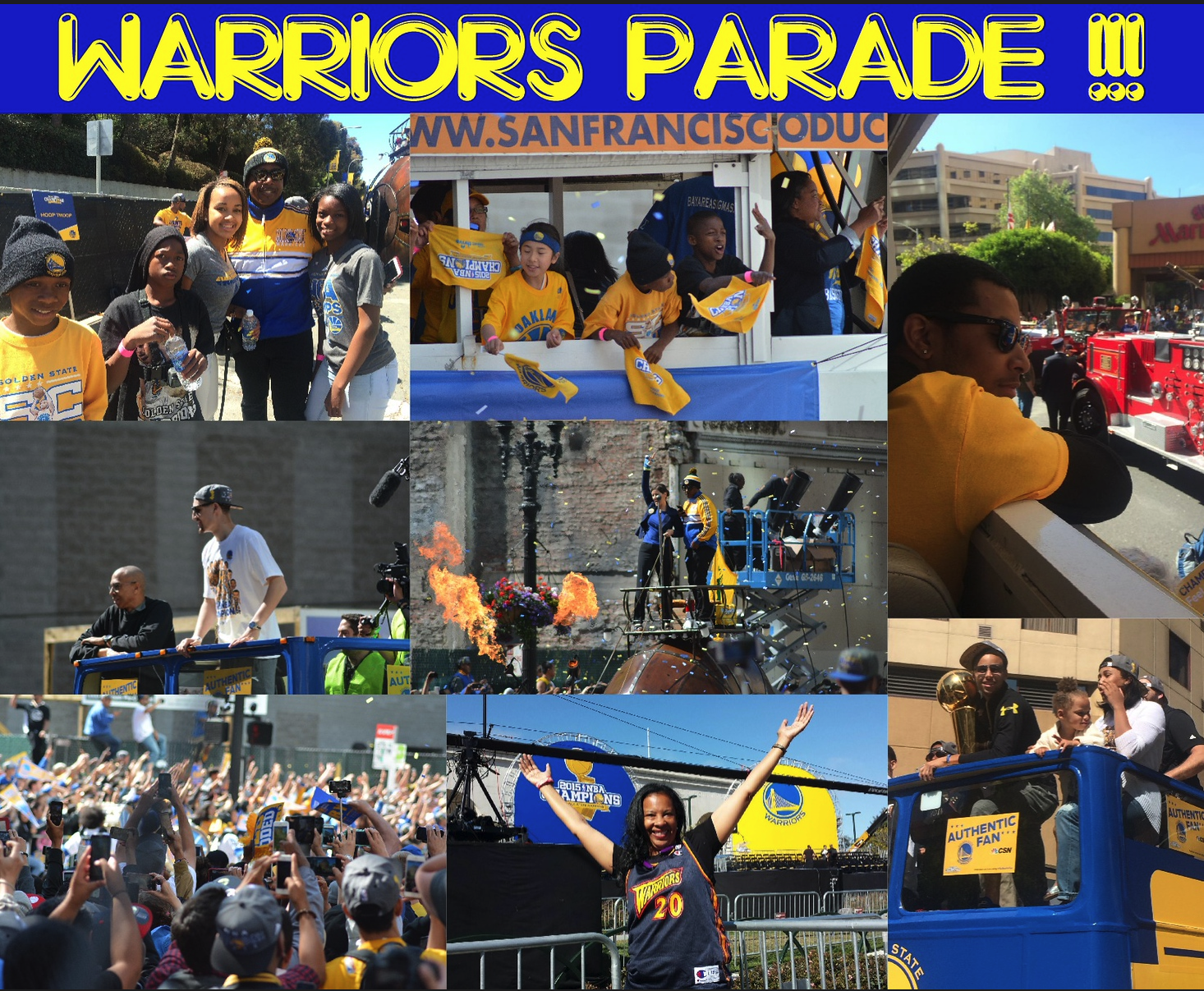
Watch the Talk →The Golden State Warriors relationship is one of the most visible results of the brand architecture work. This is what a sustained, credible partnership looks like when the organization has the infrastructure to support it — not a one-time sponsorship, but a relationship that compounds year over year.
A credible brand system makes the ask possible. A well-designed engagement architecture makes partners want to say yes again.
The information architecture redesign wasn't aesthetic — it was functional. Every audience now has a clear pathway. Every funder can verify credibility before making a call.
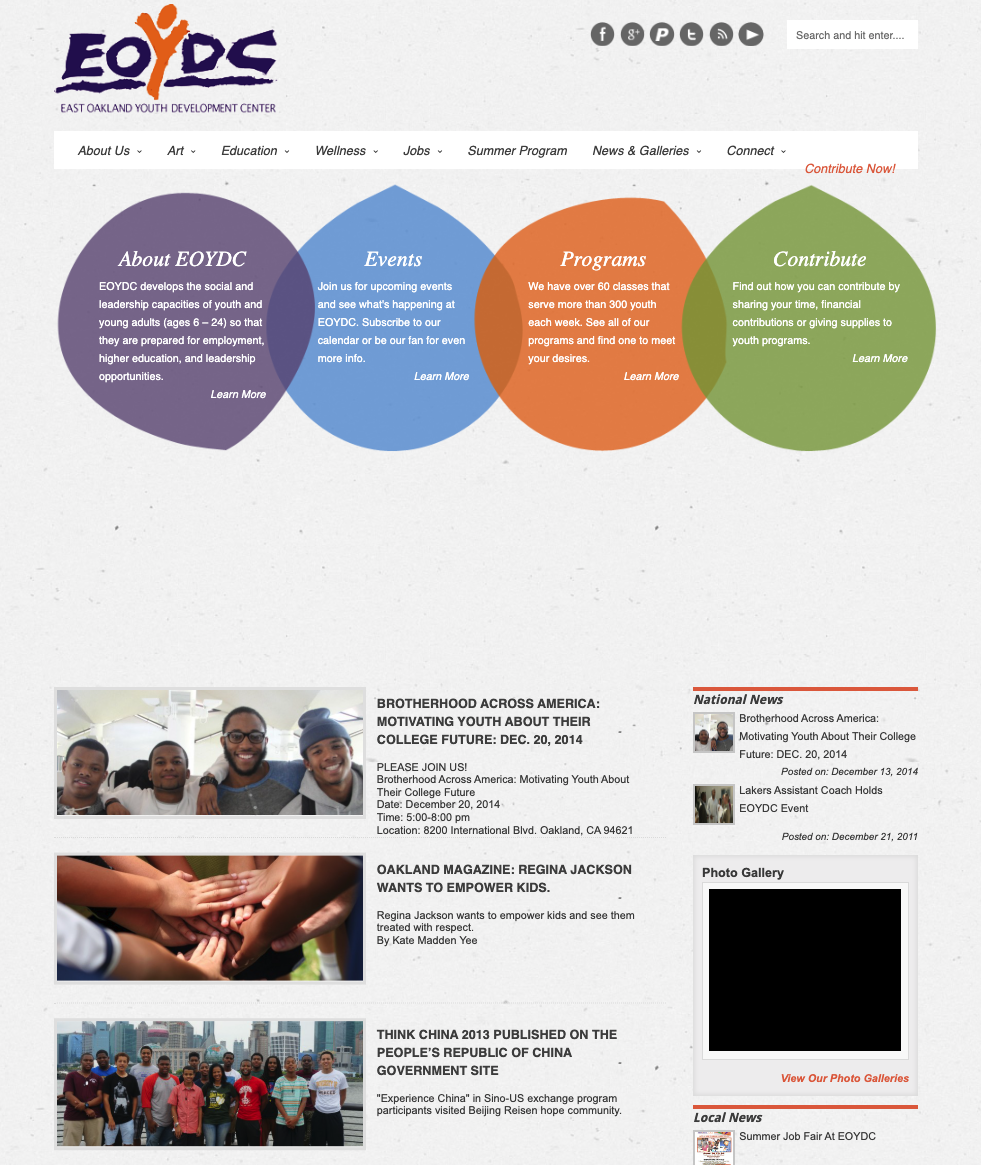
Previous site: fragmented navigation, inconsistent messaging, no clear audience pathways.
Redesigned site: clear audience pathways, unified messaging, credibility at every touchpoint. Produced in partnership with Emmy Award-winning filmmaker Shaka Jamal. View live site →
Four MarCom Awards across three campaigns — all built within the same service architecture.
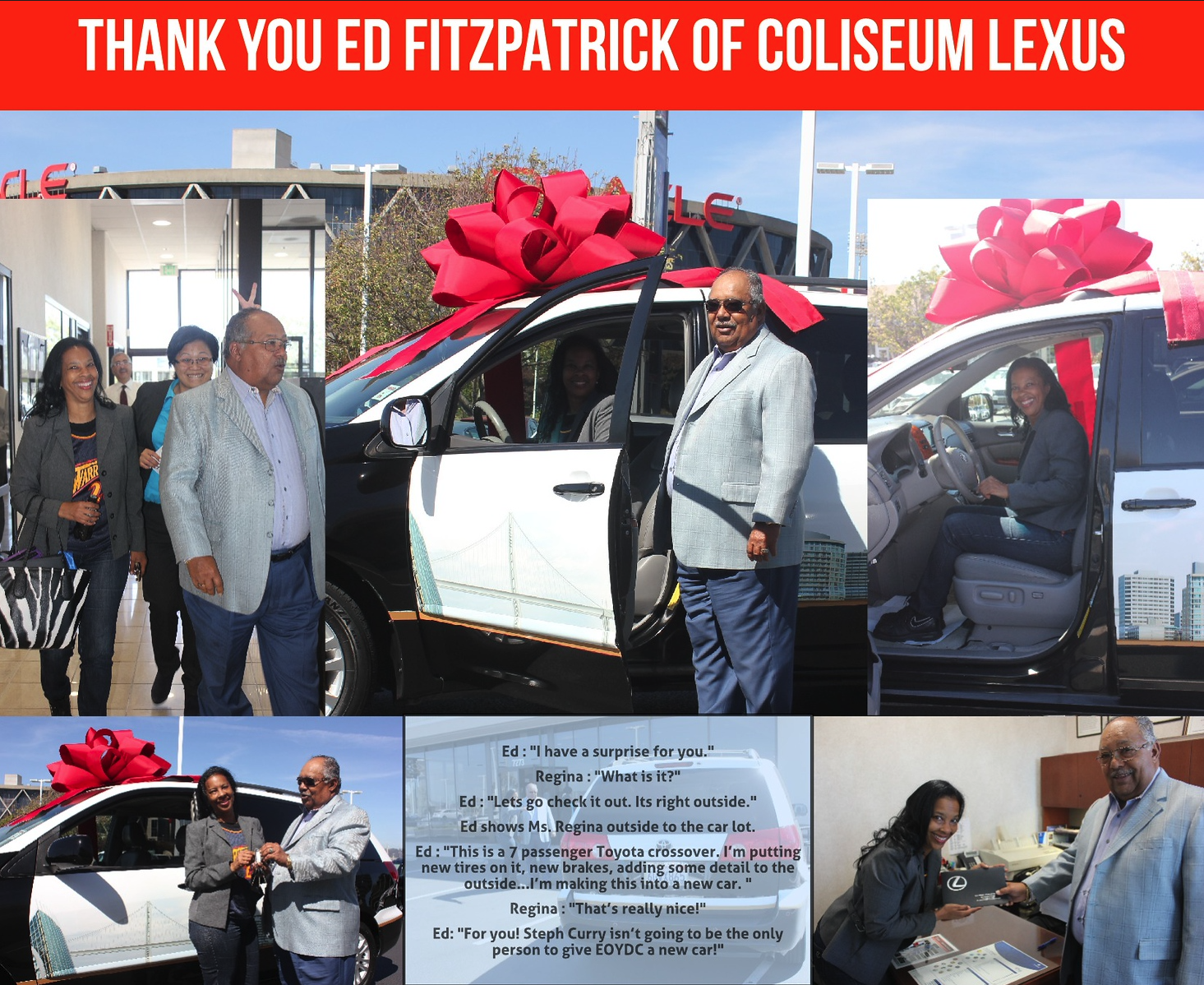
Many organizations have relationships with major brands. What they lack is the infrastructure to convert those relationships into outcomes. Before the service architecture was in place, EOYDC had the connections. After — cars arrived. Parades happened. Shopping trips materialized. A $32M gift was made.
Companies need nonprofit partners that are authentically serving the community, can prove programming results, and can hold up to scrutiny. I built the architecture that made EOYDC that partner. Once credibility was legible at every touchpoint, the outcomes started compounding. Before: connections existed. After: they converted.


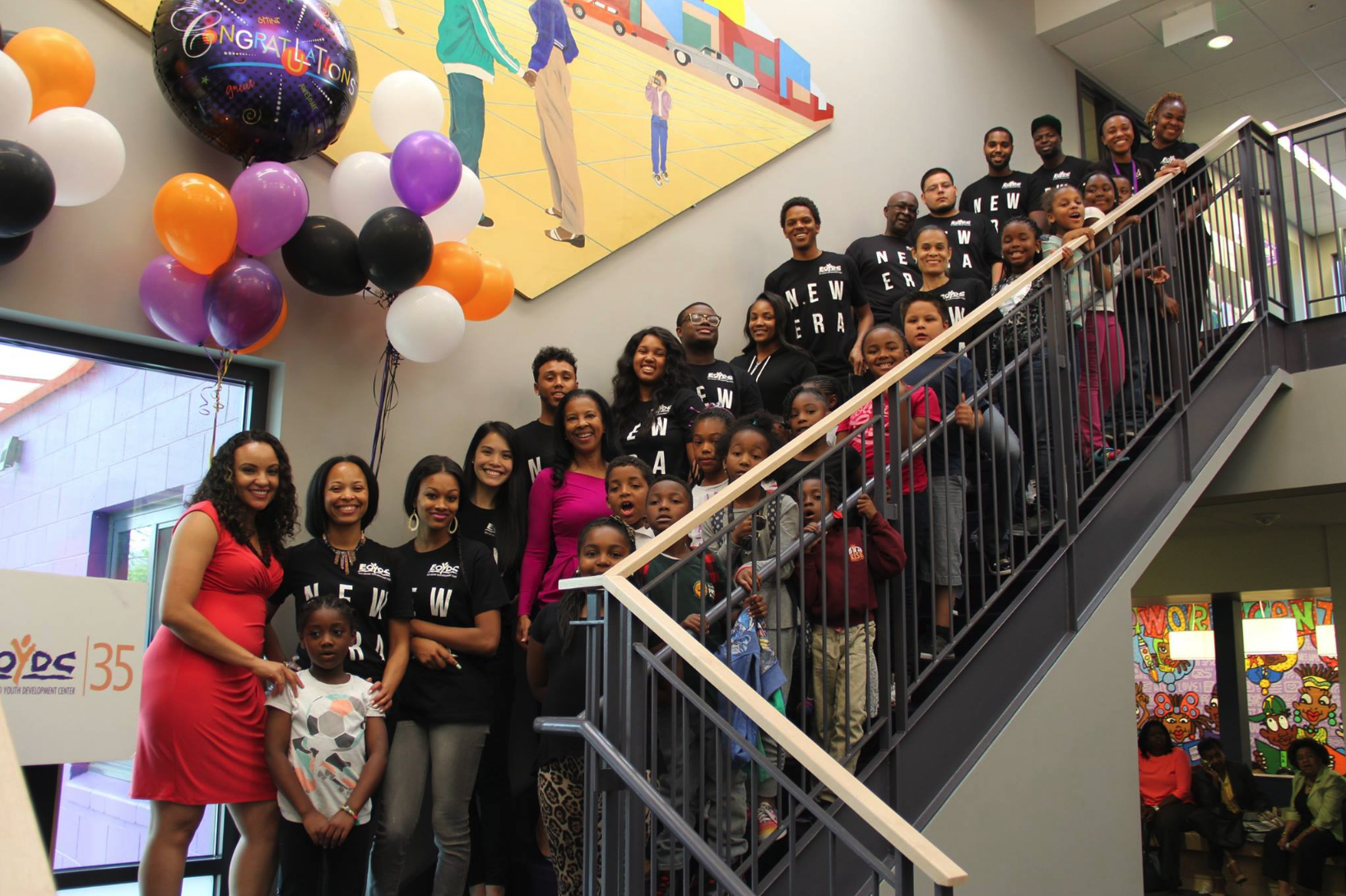
New Era launch: The team at the new building opening event — all wearing the New Era shirts. Brand activation as lived experience, not just visual output.
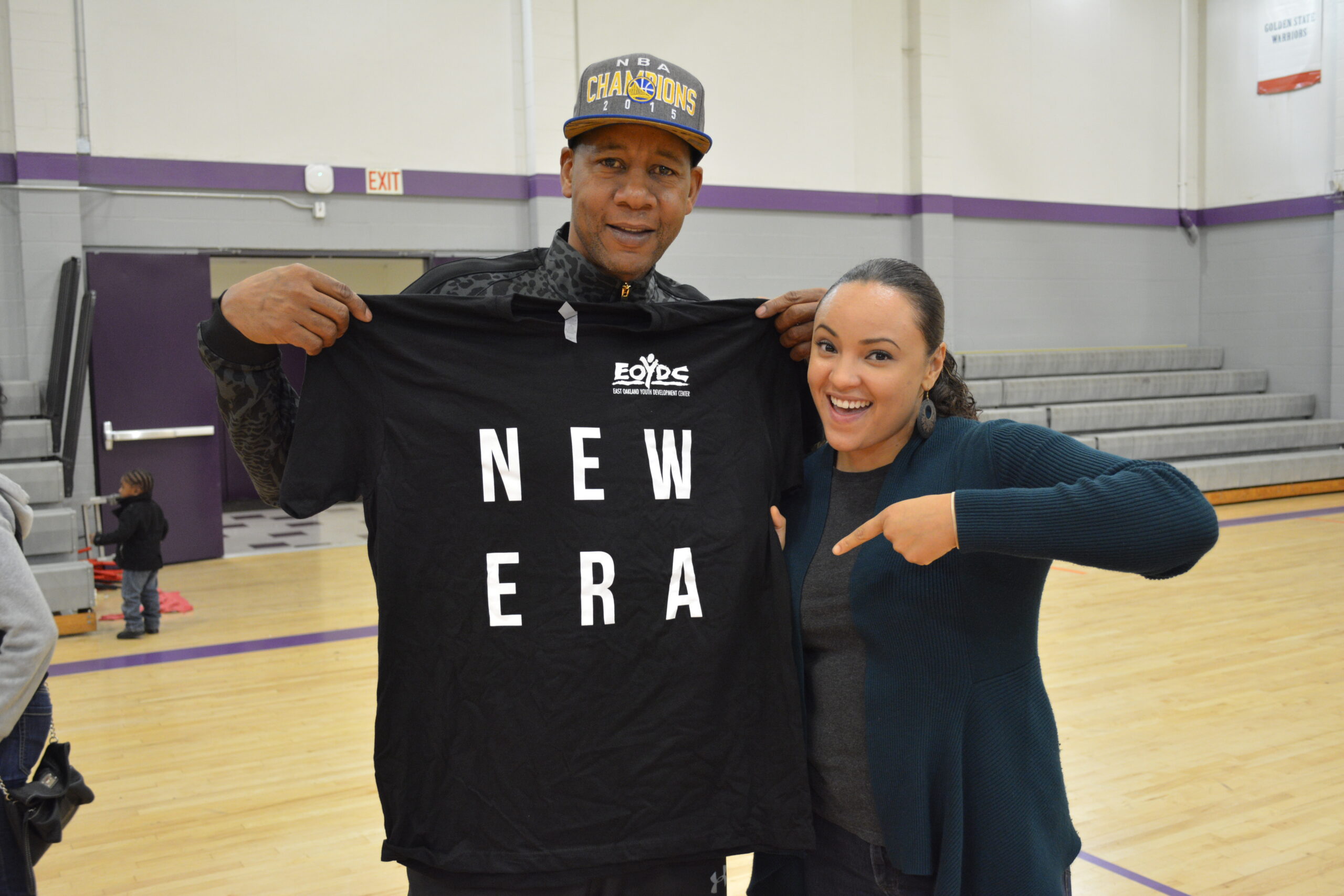
Actor & Comedian Mark Curry celebrates the new gym unveiling with then VP Selena Wilson (current CEO) — a high-visibility moment made possible by a brand system credible enough to attract it.
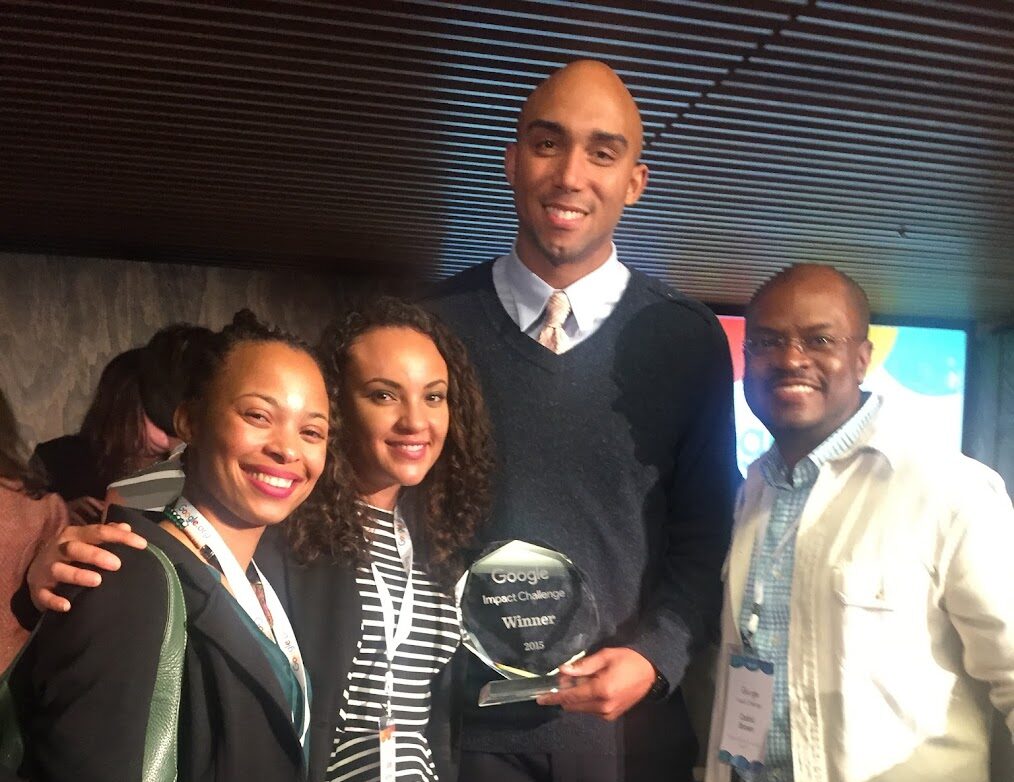
Enduring Impact: Founder of the The Hidden Genius Project Brandon Nicholson accepts Google Impact Challenge award. The Hidden Genius Project was a stellar partner and continues to be a positive impact maker nation wide.
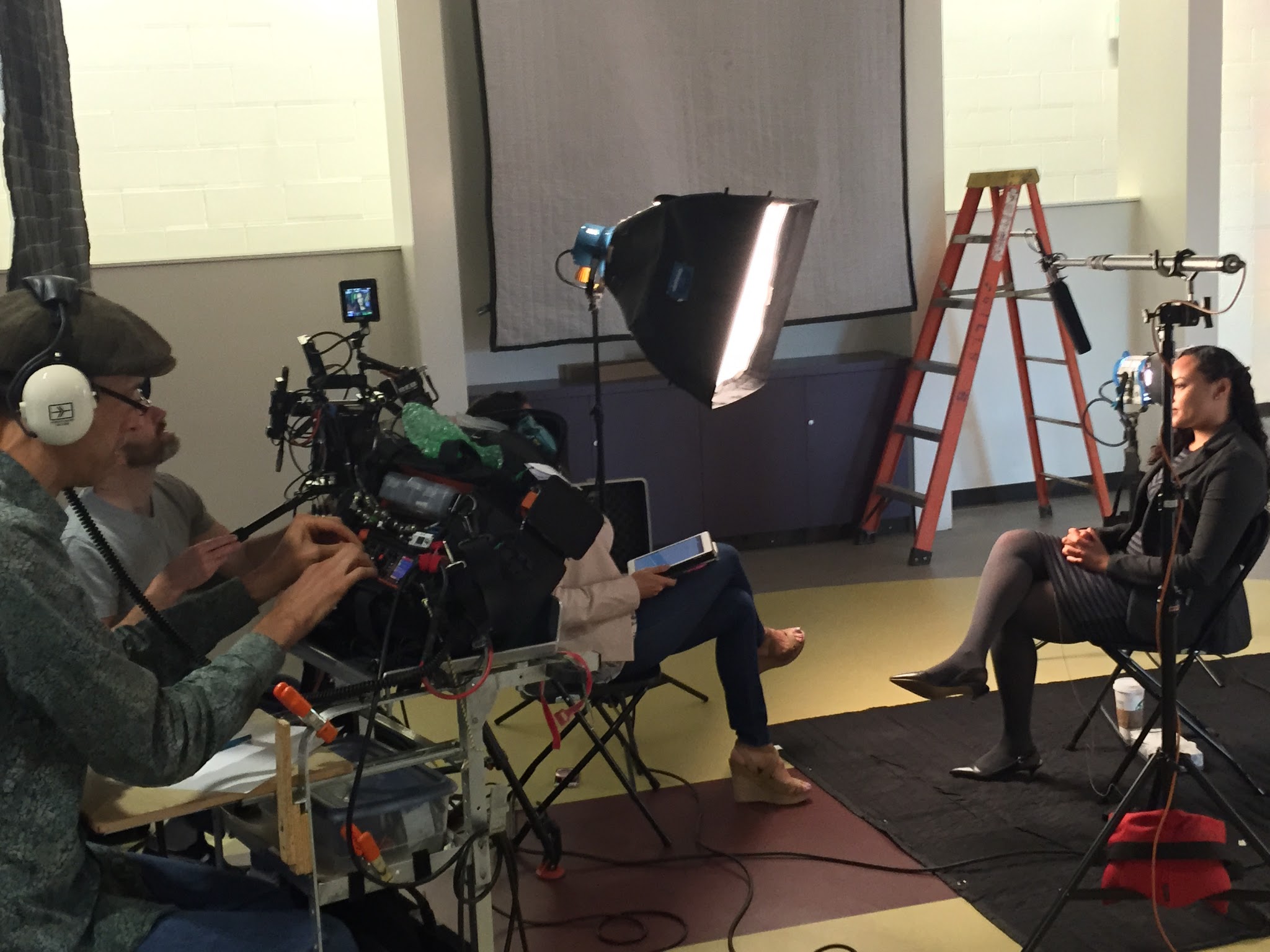
Professional media quality: Mass media-level production brought to the center — the brand architecture created the conditions that attract this level of coverage.
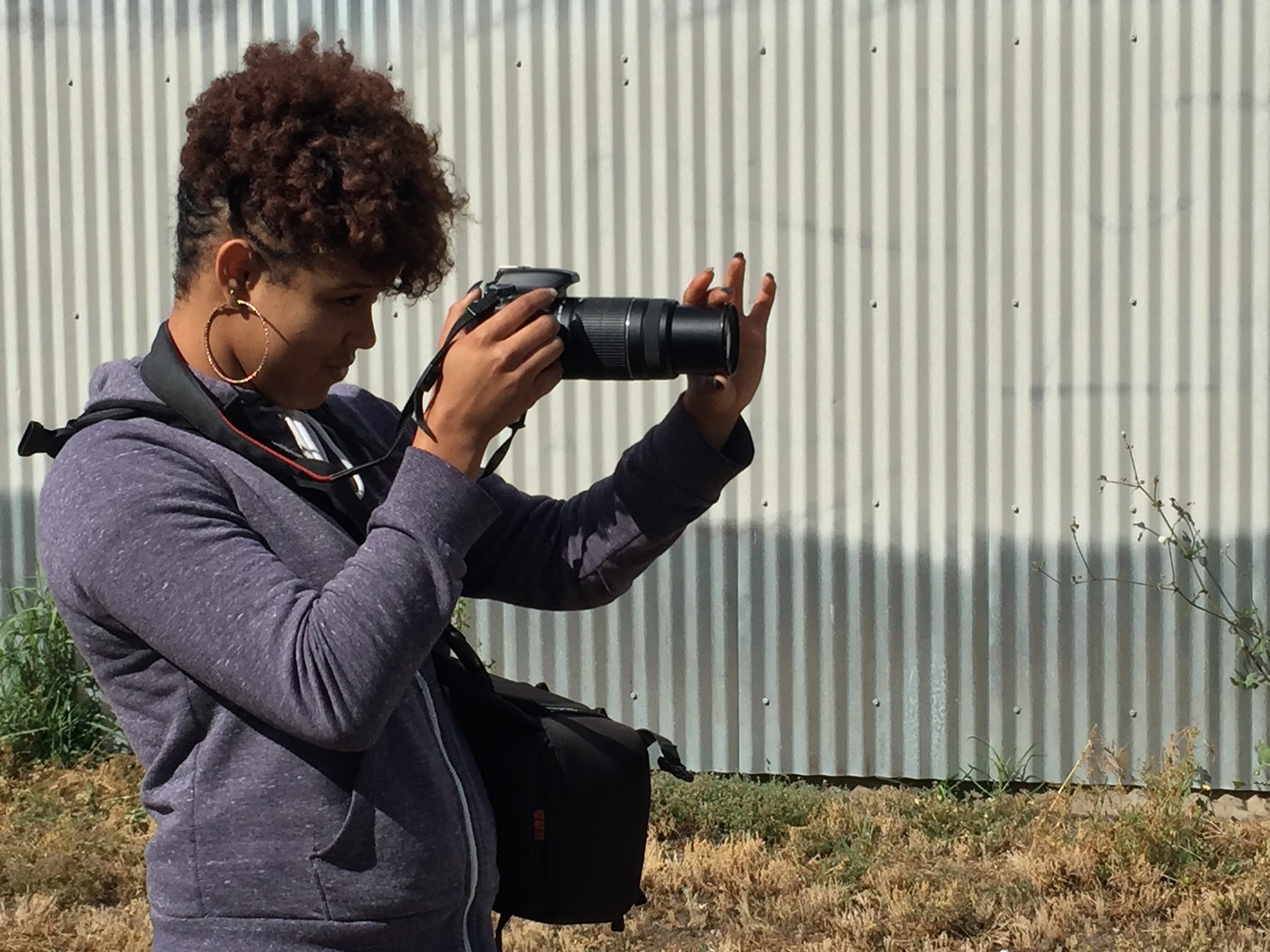
Capacity building from within: Training Tia — my direct report — in professional photography. The service architecture extended to staff development, building internal capacity to sustain the standard.
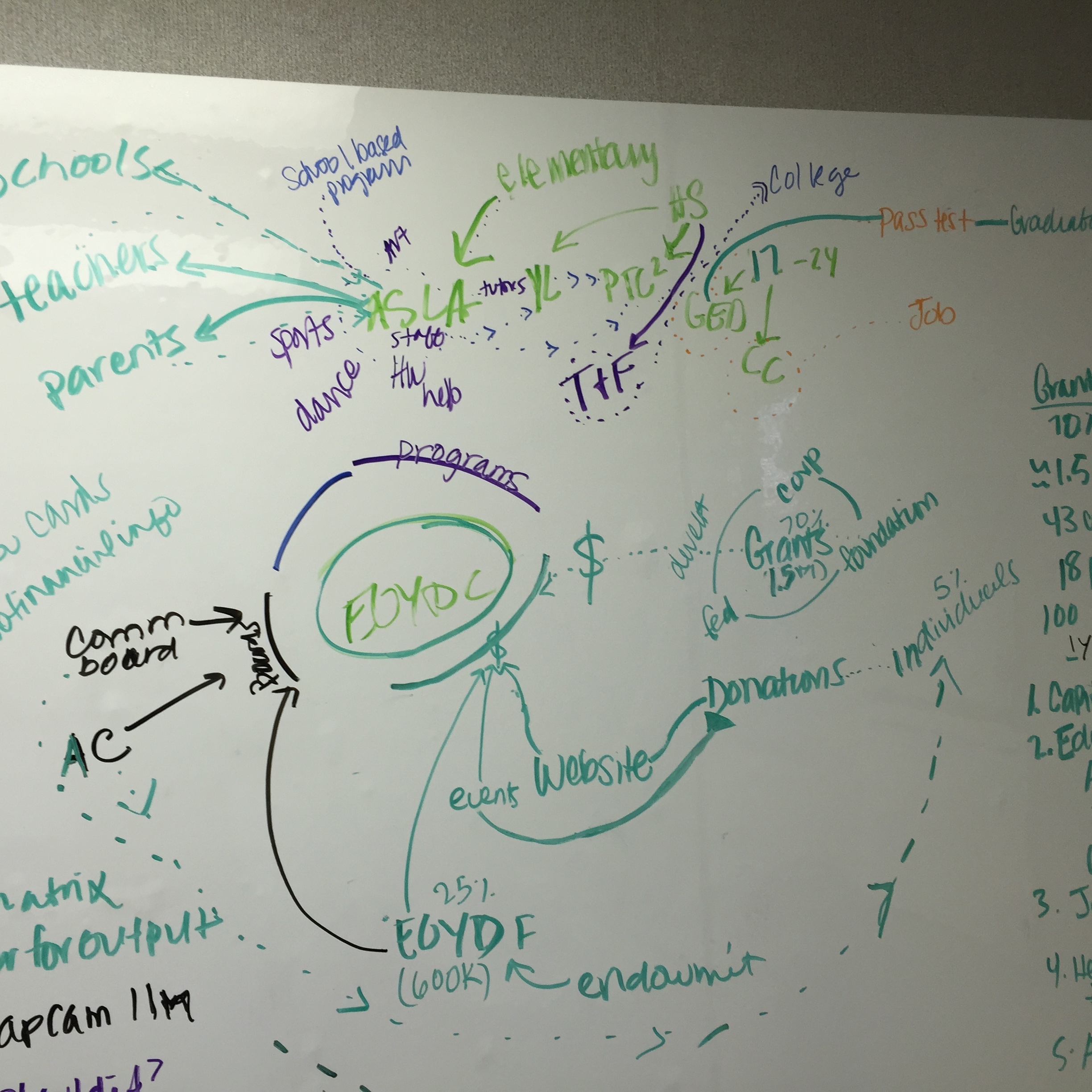
System Map v1: The first visual articulation of the full service architecture — mapping how the organization's brand, programs, communications, and stakeholder touchpoints connect into a coherent system.
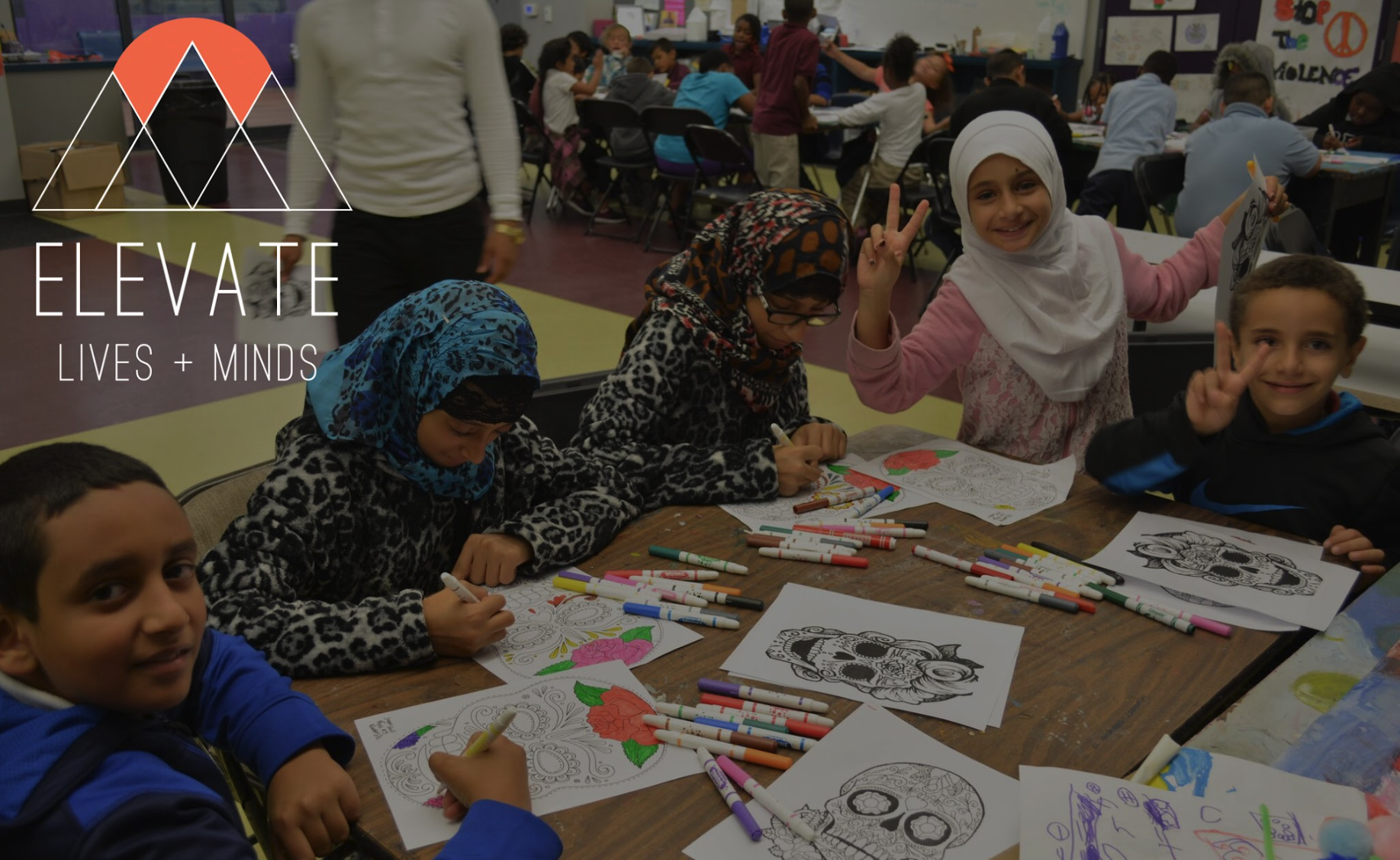
Elevate Campaign: The next campaign designed within the service architecture — building on the brand foundation to push the organization's reach and visibility further.
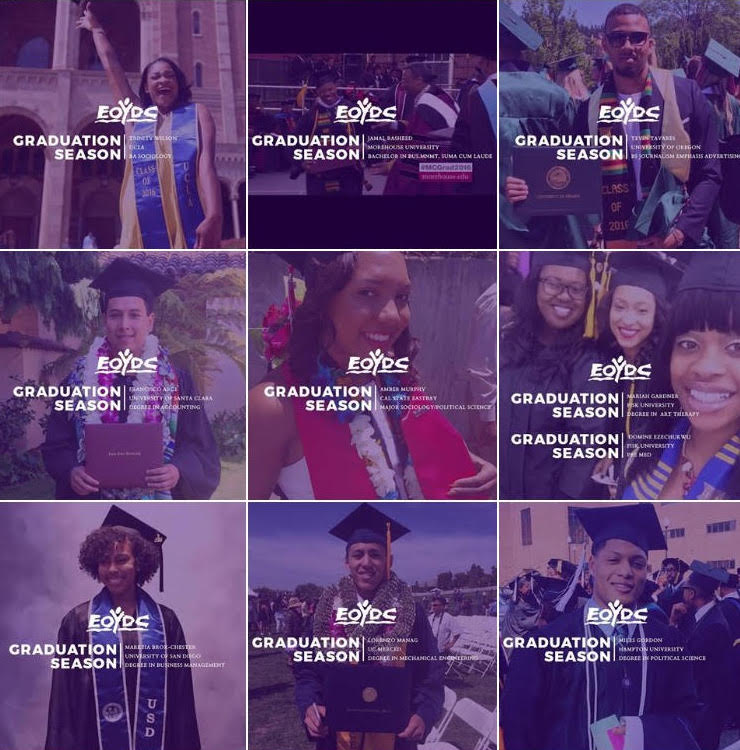
Graduation Season — MarCom Award Winner: The award-winning social media campaign that turned a seasonal milestone into a brand moment, demonstrating how the content architecture could produce industry-recognized work.
Four distinct dimensions of organizational transformation. Each one a direct result of service architecture working at scale.
Stakeholders encountered a unified identity across every touchpoint instead of fragmented signals that created doubt.
Programs and value propositions were scannable and legible in seconds — without requiring a conversation to orient.
The organization now presents with a seriousness that matches the quality and scale of its actual work.
Cars, parades, $32M, TEDTalk — the architecture created conditions for outcomes to compound. Before: connections existed. After: they converted.
This project is proof that brand work is service design. The identity, the content, the navigation, the programs, the events, the leader — these are not aesthetic decisions. They are the conditions under which stakeholders decide whether to engage, whether to fund, whether to trust. The system built here gave the organization a front door, a program suite, a leadership platform, and a partner ecosystem that finally matched what was happening inside. Before: connections existed. After: they converted.
How I Work →