
CARA A. BROWN, MBA • DESIGN STRATEGIST + SERVICE DESIGNER
CARA A. BROWN, MBA • DESIGN STRATEGIST + SERVICE DESIGNER
Led end-to-end design of a five-component service system for stigma-aware access to opioid support — spanning digital infrastructure, clinical protocol, brand, service standards, and staff governance — built for a population that couldn't afford to be seen.
Opioid addiction support programs don't fail because of insufficient resources — they fail because the people most in need won't approach them. Shame, fear of being seen, and the social risk of proximity to stigmatized services create a gap that no awareness campaign can close on its own.
What was needed wasn't promotion. It was a redesigned system of entry — one that let people approach care privately, move at their own pace, and never forced disclosure before they were ready.
The core barrier was exposure risk. Language and every touchpoint needed to reduce shame and perceived judgment — not announce availability.
Doctors' offices are a critical channel — but time pressure and variability break consistency. A repeatable pathway was needed that clinicians could deliver without improvisation.
Confidentiality required structural separation — so participation could not be inferred through proximity to adjacent services.
The system would only work if delivered consistently. Codified language, rules of engagement, and training were needed to create shared standards across the full team.

The Keyways program — a service architecture for stigma-aware opioid support, from social-first entry through clinical handoff and staff governance.
The components were designed to be sequenced deliberately, governed together, and sustained through standardized staff behavior — not implemented independently. Their effectiveness depended on how they were connected, separated, and handed off.
Hover a segment to explore each component
For stigmatized services, privacy must be structurally designed — channels, language, and digital separation — not merely promised.
This work required deep behavioral research into a nuanced, vulnerable group. Decisions were driven by safety, privacy, and follow-through. The primary success condition was whether people could approach and enter care without the system increasing risk, stigma, or hesitation.
Each design decision was tested against a single question: does this make the first step easier, or does it make the system feel safer for someone who is already afraid? When those two things conflicted, safety won.
Anonymous, self-paced entry points were established first to reduce exposure risk. Language and visual cues were designed to lower perceived judgment before participants had reason to trust the program. A defined clinical pathway was created so support could be introduced consistently without improvisation. Digital isolation of the participant site was a structural requirement — not a design preference. Staff behavior was standardized last, because the channel architecture had to exist before the human layer could be trained into it.
Consistent delivery required more than training — it required codified artifacts that staff could use without reinventing each interaction. Campaign content patterns, service offering language, rules of engagement for trust-building, and defined steps for entry and clinical initiation were all documented and operationalized. The system was designed to remain deliverable as staff, partners, and context changed.
Staff were trained to deliver the full service architecture end-to-end — covering outreach, engagement measurement tools, and day-to-day operating practices — so they had full ownership and confidence in supporting participants. Clinical partners received a structured protocol that fit within existing visit constraints. Confidential handling of clinical workflow details was maintained throughout to protect participant privacy and sustain partner trust.


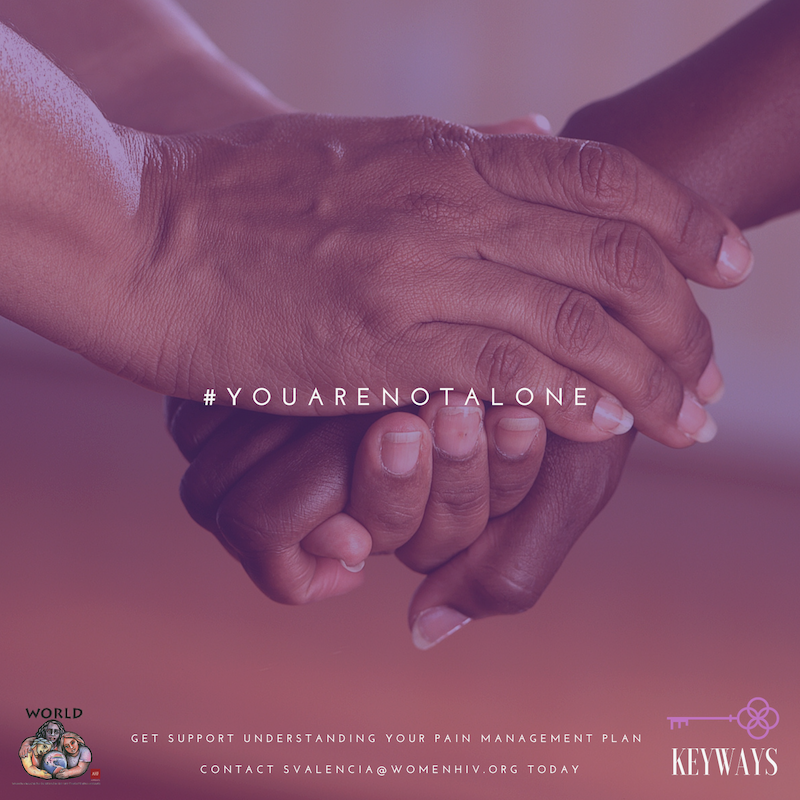

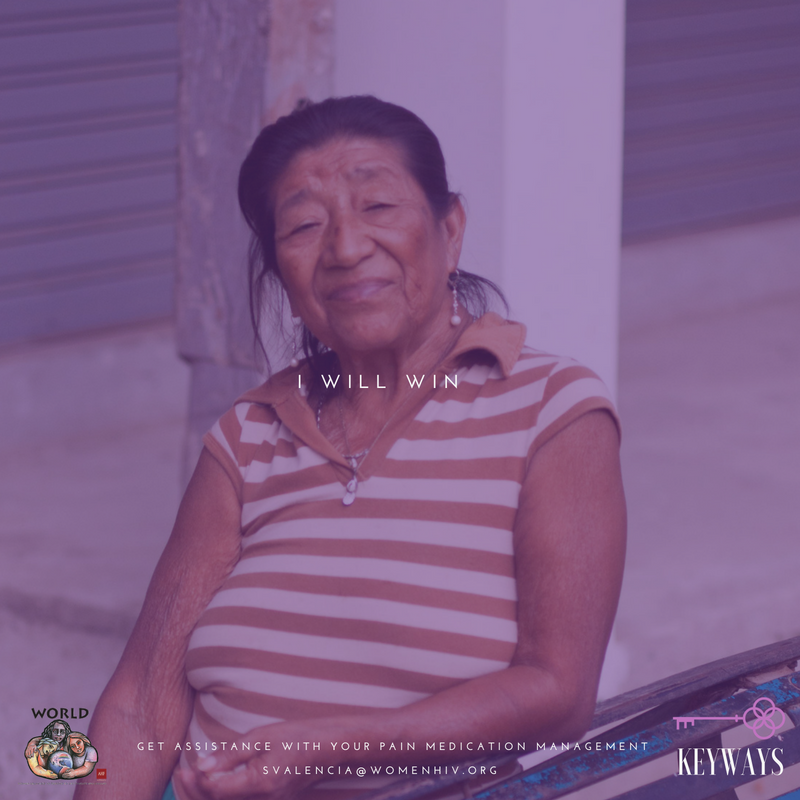
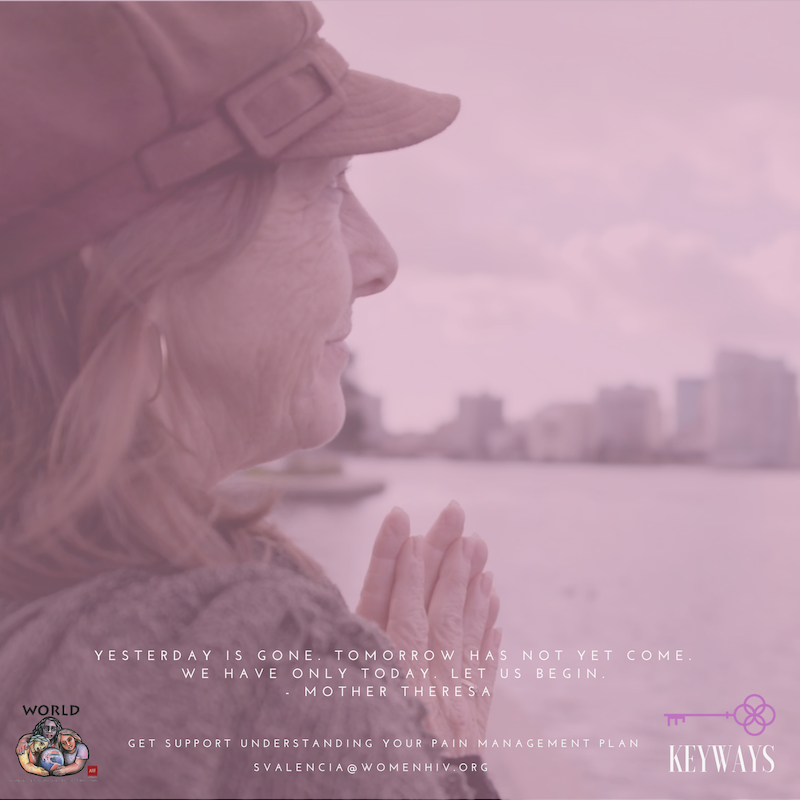

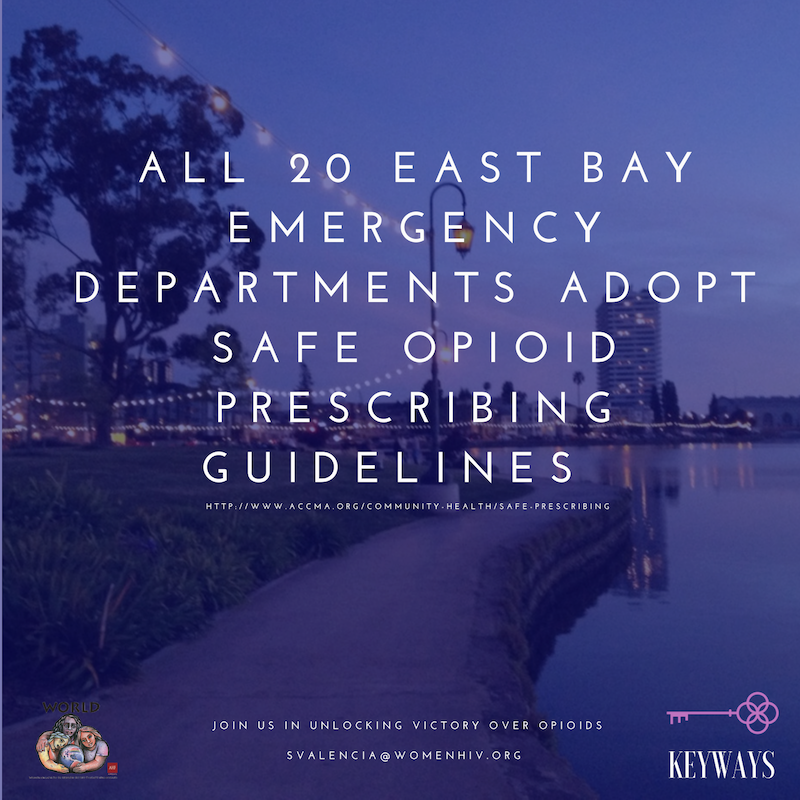
For stigmatized services, privacy must be structurally built into channels, language, and digital architecture — not promised as policy. Structural separation reduced the likelihood that participation could be inferred through adjacent programs.
When stakes are life-or-death, the system must optimize for safety, trust, and follow-through — even when stated user preference is incomplete or unreliable. Behavioral research drove every structural and language decision.
Codified service language, rules of engagement, and end-to-end staff training converted strategy into consistent behavior — and made the system maintainable as people and contexts changed.
This project is often categorized as a public health communication project. It wasn't. It was a service architecture problem with life-or-death consequences — and it required diagnosing the actual barriers before designing anything visible. The social content, brand system, clinical protocol, participant website — none of those work in isolation. Their effectiveness depended on how they were sequenced, separated, and governed together.
How I Work →